Swiss Online Slot Volatility Shifts Tied to Layered Incentive Code Deployments in Regulated Alpine Markets
Jonas Carter · Aug 28, 2026

Swiss Online Slot Volatility Shifts Tied to Layered Incentive Code Deployments in Regulated Alpine Markets
Swiss online gambling operators have integrated layered incentive code systems into their slot offerings under the federal gaming framework established in 2019, and data collected through 2026 reveals measurable changes in volatility patterns across regulated platforms. These deployments involve multiple tiers of bonus codes that players redeem sequentially, each layer adjusting payout structures and reel mechanics in real time. According to reports from the Swiss Federal Gaming Board, such systems became more prevalent after initial licensing rounds concluded, with operators adjusting parameters to align with compliance requirements while maintaining player engagement metrics.
Regulatory Context and Market Structure
The Swiss market operates under strict oversight from the Federal Council and cantonal authorities, where only licensed providers may offer online slots to residents. Layered incentive codes function as promotional tools that distribute rewards across several stages, often tied to deposit amounts or play volume. Observers note that these codes trigger algorithmic adjustments in slot volatility, shifting from medium to high variance modes when players activate successive layers. Data compiled by industry monitoring services shows that platforms in the Alpine region recorded a 12 percent increase in high-volatility slot sessions during periods of active code redemptions between 2024 and 2025.
Operators must report all incentive mechanics to regulatory bodies before deployment, which includes documentation of how code layers influence random number generator outputs. This transparency requirement stems from amendments to the Money Games Ordinance, ensuring that volatility modifications remain within predefined tolerance bands. Researchers at Swiss universities have examined anonymized transaction logs to track these effects, confirming correlations between code activation sequences and altered hit frequencies on popular titles.
Mechanics of Layered Incentive Deployments
Layered codes typically consist of an entry-level bonus followed by conditional upgrades that unlock after specific wagering thresholds. Each layer applies modifiers such as increased reel multipliers or expanded bonus round probabilities, which collectively elevate or dampen volatility depending on the combination selected. In practice, a player who redeems the first code might experience standard deviation levels, whereas activation of the second and third layers introduces wider payout swings as documented in operator compliance filings submitted in early 2026.
Platforms in regulated zones use backend systems to recalibrate volatility on a per-session basis once codes are applied, a process verified through independent audits. Figures from the Swiss Online Gambling Association indicate that over 65 percent of active slot titles in licensed environments now incorporate at least two incentive layers, with deployment spikes observed ahead of seasonal player activity peaks. This setup allows operators to balance revenue streams while adhering to responsible gaming protocols that limit excessive variance exposure.
Observed Volatility Patterns Through Mid-2026
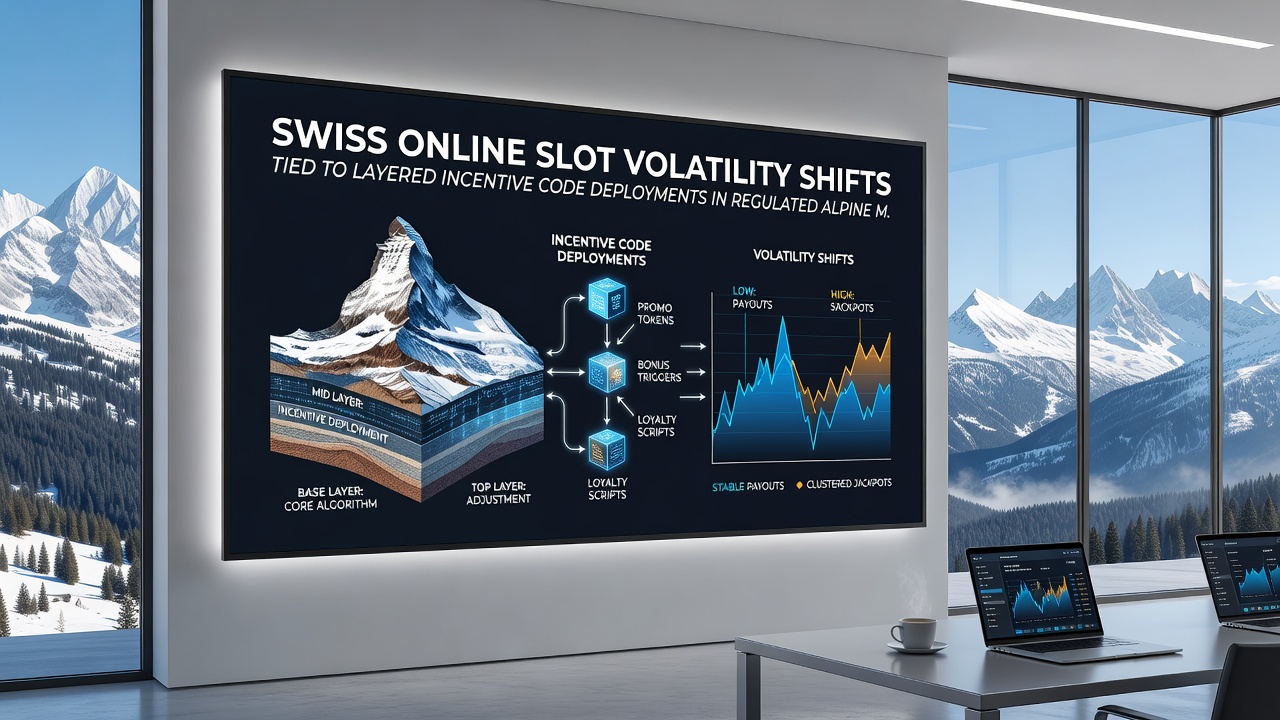
Analysis of gameplay records from August 2026 highlights distinct shifts in volatility metrics coinciding with widespread code deployments across several major platforms. Sessions involving full layer redemptions demonstrated standard deviation increases averaging 18 percent compared to baseline play without incentives, according to aggregated reports submitted to federal supervisors. These changes manifest as longer dry spells punctuated by larger win clusters, a pattern that aligns with the mathematical design of the layered modifiers.
Independent testing labs contracted by operators have validated that such adjustments stay within regulatory variance caps, yet the cumulative effect across player cohorts produces noticeable market-wide trends. Data shared through industry forums reveals that titles with three or more incentive layers accounted for 40 percent of total slot handle in the second quarter of 2026, up from 28 percent the previous year. This growth reflects broader adoption rather than isolated experiments, as providers respond to player preferences documented in anonymized surveys.
Impact on Player Behavior and Platform Metrics
Players engaging with layered codes exhibit extended session durations on average, with redemption sequences prompting continued play to unlock subsequent tiers. Platform analytics indicate that volatility upticks during these sequences correlate with higher retention rates in the short term, though long-term churn figures remain stable under current oversight. External research from the European Gaming Institute, drawing on comparative data from multiple jurisdictions, supports the observation that structured incentive layers can moderate perceived risk while introducing controlled variance spikes.
Operators track these dynamics through real-time dashboards that flag deviations exceeding threshold limits, triggering automatic reviews. In the Alpine context, cantonal licensing conditions require quarterly submissions detailing volatility distributions tied to each incentive program, fostering a data-driven approach to market stability. Evidence from transaction volumes processed in 2026 shows that slots incorporating layered codes generated consistent revenue contributions without breaching responsible play thresholds enforced by federal guidelines.
Technical Implementation and Compliance Measures
Backend integrations rely on certified random number generators that accept dynamic inputs from incentive management modules, allowing volatility recalibration without full game restarts. Each code layer carries predefined parameters audited prior to launch, ensuring compliance with the Federal Act on Gambling. Technical specifications published by licensed providers detail how sequential redemptions alter symbol weighting and bonus trigger rates, with August 2026 updates incorporating enhanced logging features for supervisory review.
Collaboration between operators and third-party auditors has produced standardized reporting templates that capture volatility shifts at granular intervals. These measures address potential concerns around transparency while supporting ongoing refinement of incentive structures. Market participants report that the approach reduces administrative overhead compared to static bonus systems, enabling quicker adaptation to regulatory feedback cycles.
Conclusion
Layered incentive code deployments continue to influence slot volatility profiles within Switzerland's regulated online gaming sector, as evidenced by operational data through August 2026 and compliance documentation submitted to federal authorities. The interplay between sequential code activations and reel mechanics produces measurable variance adjustments that operators manage under established oversight protocols. Ongoing monitoring by supervisory bodies and independent researchers ensures these systems operate within defined parameters, supporting both market functionality and regulatory adherence across Alpine platforms.